ARTICLE SUMMARY
Pool safety isn’t one-size-fits-all — a wellness club, a high-rise, a gated community, and an HOA neighborhood each face different risks and different constraints. In this article, IPSA Security Services breaks down the universal best practices every facility needs — access control, supervision, emergency preparedness, technology, and policy — and shows how those strategies shift depending on your property type. It also covers the compliance essentials every facility manager should have in place before the gates open this season.
The Stakes Are Higher Than You Think
When it comes to pool safety, the statistics speak volumes. Drowning remains the leading cause of unintentional injury death among children ages 1-4 years, with various types of pools being significant risk factors. For property managers and community leaders, this isn’t just a safety concern—it’s a matter of compliance, liability, and community well-being.
The good news? A thoughtful, facility-specific approach to pool safety can dramatically reduce risks while enhancing the overall pool experience for your customers, residents, and guests.
Universal Best Practices for All Facility Types
Regardless of your specific facility type, certain core strategies form the foundation of any effective pool safety program. These five pillars work together as an interconnected system rather than standalone measures, each reinforcing the others to close gaps that any single approach would leave open. Facilities that build on this foundation first are better positioned to layer on the specialized solutions their particular setting demands.
1. Access Control Systems
The first line of defense for any pool facility is controlling who can enter and when. Unauthorized access after hours or by non-residents is a leading factor in preventable incidents, making entry control the starting point for any layered safety strategy. The right combination of primary and secondary barriers ensures that a single point of failure doesn’t compromise the whole system.
- Electronic Access Solutions: Key cards, RFID wristbands, or mobile credentials offer superior control over traditional keys, with the ability to deactivate access instantly when needed
- Scheduled Access Hours: Clearly defined and enforced operating hours with automatic locking mechanisms
- Visitor Management: Protocols for guests that maintain security while accommodating legitimate visitors
- Secondary Barriers: Self-closing, self-latching gates with child-resistant locks as a backup to primary access control
2. Monitoring and Supervision
Different facilities require different levels of supervision, but all benefit from a multi-layered approach. No single method of oversight — human or technological — catches everything on its own, so the most effective programs combine several complementary layers. Matching the right mix to your facility’s size, budget, and usage patterns is key to closing supervision gaps.
- Professional Staffing Options: From full-time lifeguards to security patrols during peak hours
- Surveillance Technology: High-definition cameras with monitoring capabilities
- Community Engagement: Trained volunteer “pool watchers” or parent rotations where appropriate
- Usage Analytics: Data collection to identify high-risk times and optimize staffing accordingly
3. Emergency Preparedness
Preparation for emergencies significantly improves outcomes when seconds count. Facilities that rehearse their response before an incident occurs consistently see faster, more coordinated action when one actually happens. This means investing equally in the tools, training, and protocols that make a rapid response possible.
- Communication Systems: Weatherproof emergency phones, panic buttons, or alert systems
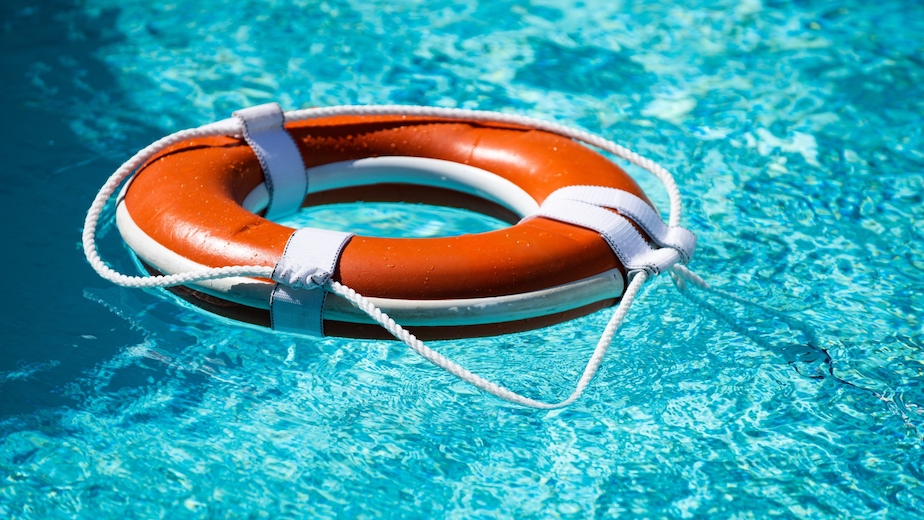
- Safety Equipment: Strategically placed rescue equipment including reaching poles, life rings, and first aid kits
- Staff Training: Regular emergency drills and CPR/first aid certification for relevant personnel
- Clear Response Protocols: Step-by-step procedures for various emergency scenarios
4. Technology Integration
Modern pool safety is increasingly technology-driven. Advances in detection, monitoring, and reporting tools now allow facilities to catch problems earlier and respond faster than human observation alone would allow. Integrating the right technologies doesn’t replace staff and protocols — it extends their reach.
- Drowning Detection Systems: Advanced surveillance that can identify potential drowning situations
- Chemical Monitoring: Automated systems that alert maintenance when water chemistry deviates from safe parameters
- Weather Monitoring: Systems that trigger automatic pool closures during dangerous conditions
- Reporting Platforms: Mobile applications that allow real-time documentation of safety checks and incidents
5. Policy Development and Communication
Effective pool safety requires clear rules that are consistently enforced. Rules that are poorly communicated or inconsistently applied lose their protective value regardless of how well they’re written, so how a policy is delivered matters as much as its content. Building in stakeholder input and clear documentation from the start improves both compliance and buy-in.
- Collaborative Rule Creation: Involving stakeholders in policy development improves compliance
- Clear Signage: Weather-resistant, highly visible rule displays with depth markers and emergency information
- Digital Documentation: Systems for acknowledging rules and tracking compliance
- Consistent Enforcement: Staff training on how to enforce rules firmly but diplomatically
Facility-Specific Considerations
While the universal best practices apply broadly, each facility type faces unique challenges requiring tailored approaches. A staffing model that works for a high-traffic wellness club may be impractical for a volunteer-run HOA, and privacy expectations at a gated community differ significantly from those at a multi-family complex. Understanding these distinctions is what turns a generic safety checklist into a plan that actually fits your community.
Wellness Clubs & Activity Centers
Key Challenges: High volume, diverse user base, multiple simultaneous activities.
These facilities must safely accommodate everyone from young children to seniors, often using the pool for different purposes at the same time. Meeting this challenge means building flexibility into staffing, scheduling, and equipment without compromising oversight.
Tailored Solutions:
- Implement scheduled usage segmentation for different age groups and activities
- Develop specialized staff training for diverse populations (elderly, children, disabled users)
- Create robust visitor verification systems for public-facing facilities
- Maintain adaptive safety equipment for users with varying abilities and needs
Multi-Family and High-Rise Residential Complexes
Key Challenges: High resident turnover, diverse resident population, limited staffing resources.
Frequent turnover makes it difficult to maintain consistent safety awareness among residents, and many complexes can’t justify full-time on-site staff. Addressing these realities calls for solutions that don’t rely on constant human presence to stay effective.
Tailored Solutions:
- Implement resident education programs during move-in orientations
- Consider unstaffed hours with enhanced technological monitoring
- Create resident accountability systems for guest management
- Focus on after-hours security measures when professional staff may not be present
Gated Communities
Key Challenges: Expectations of luxury amenities, expanded aquatic features, privacy concerns.
Residents in these communities often expect a resort-like experience with expanded water features, but that same setting brings sharper sensitivity to visible security measures. Successful protocols here strike a careful balance between robust safety and a low-profile presence.
Tailored Solutions:
- Develop zone-specific protocols for different areas of complex pool facilities
- Balance privacy expectations with necessary monitoring
- Create specialized protocols for water features beyond standard pools
- Implement discreet but effective security measures that maintain the luxury atmosphere
HOA Neighborhoods
Key Challenges: Decentralized governance, balance of community autonomy with safety requirements.
With safety decisions often resting with rotating volunteer boards rather than professional staff, consistency can be difficult to maintain over time. The strongest HOA programs build continuity into their governance so safety standards outlast any single board’s term.
Tailored Solutions:
- Establish clear lines of responsibility between board, committees, and residents
- Create sustainable volunteer programs to supplement professional safety measures
- Develop community-specific enforcement mechanisms that reflect neighborhood values
- Implement transitional planning for rotating board membership to maintain safety continuity
Compliance Considerations
Legal and regulatory requirements serve as the minimum baseline for pool safety, not the finish line. Requirements vary by jurisdiction and can carry serious liability consequences when overlooked, so facility managers should treat compliance as an ongoing responsibility rather than a one-time checklist.
The items below represent the areas most frequently cited in inspections and incident reviews.
- Barrier Requirements: Ensure your fencing meets local height requirements (typically 4-6 feet) with self-closing, self-latching gates. Regular inspection of these features is critical.
- Safety Equipment: Stock and regularly check rescue equipment, including reaching poles, life rings, and first aid kits. Document these checks in a verifiable system.
- Signage: Post clear depth markers, rules signs, and emergency contact information. Signs should be weather-resistant and positioned for maximum visibility.
- Chemical Safety: Secure pool chemicals in locked storage, maintain proper ventilation, and ensure only trained personnel have access.
- Insurance Verification: Review your coverage annually, ensuring it specifically addresses aquatic facilities and meets or exceeds minimum requirements.
Bringing It All Together: The Integrated Approach
The most successful pool safety programs don’t treat security as separate from user experience. By integrating reporting technology with human supervision, facilities can create safety systems that enhance rather than detract from the enjoyment of pool amenities.
Our clients have found particular success with mobile reporting platforms that allow security officers to document pool checks, maintenance concerns, and rule violations in real-time, creating a comprehensive record that helps identify patterns and prevent future incidents.
Ready for a Safer Pool Season?
Every facility deserves a pool safety approach as unique as its users. Whether you manage a busy community recreation center, a bustling apartment complex, an exclusive gated community, or a close-knit HOA neighborhood, the right combination of technology, training, and tailored protocols can make this pool season both safer and more enjoyable.
Contact our team for a facility-specific pool safety assessment and discover how our integrated security approach can help you make a splash for all the right reasons this season.